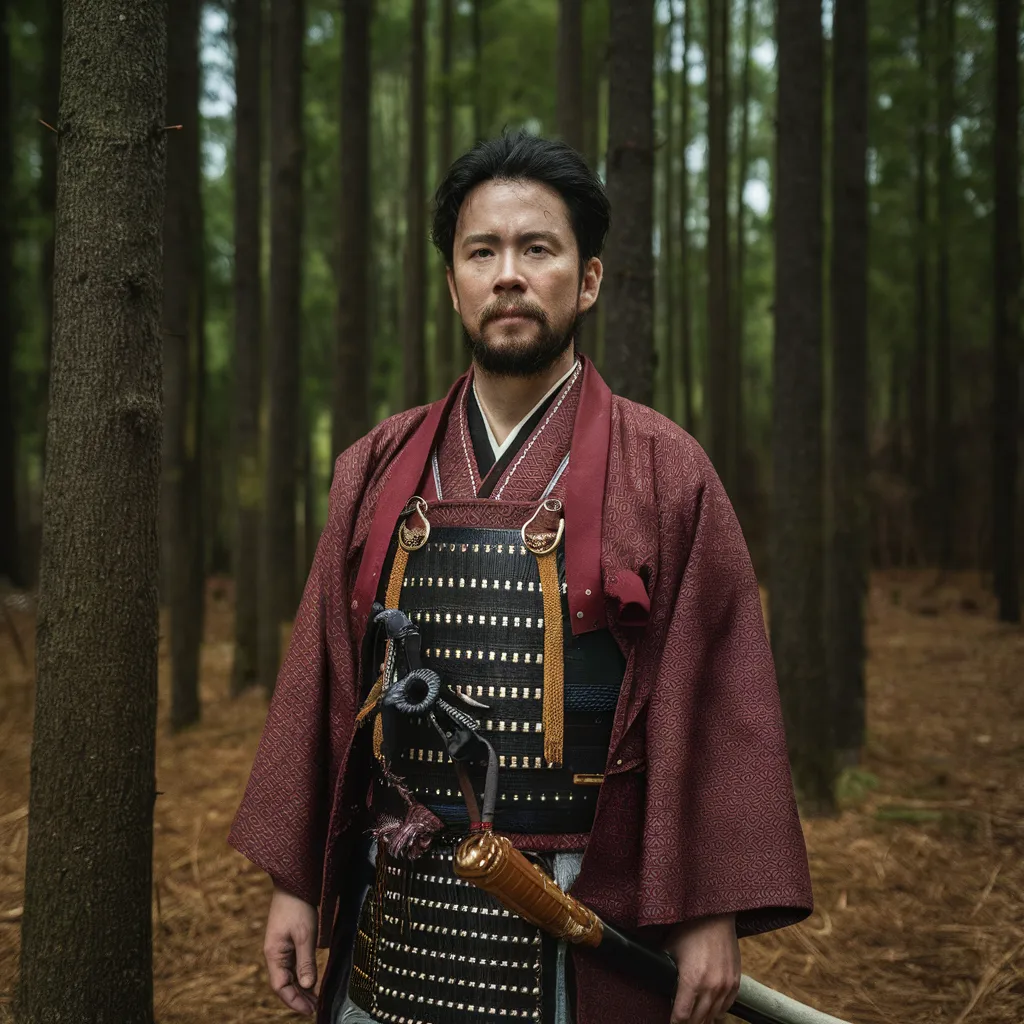
The Last Chushingura stands as a powerful reimagining of one of Japan’s most iconic and enduring legends — the story of the 47 Ronin. Rooted in loyalty, honor, and sacrifice, the Chushingura narrative has been retold countless times through literature, theater, and film. Yet, The Last Chushingura offers a modern reflection on these timeless themes, blending historical reverence with contemporary storytelling. This film not only revisits the moral complexities of samurai loyalty but also examines how these values resonate in a changing world. In this article, the story, themes, cast, and cultural significance of The Last Chushingura are explored in depth, along with its place in the long lineage of Japanese cinema.
The Historical Roots of Chushingura
To understand The Last Chushingura, one must first appreciate the historical and cultural foundation of the Chushingura legend. The story originates from the real-life event known as the Ako Incident of 1701–1703, when 47 samurai avenged the death of their master, Lord Asano Naganori, who was forced to commit seppuku after attacking a corrupt court official, Kira Yoshinaka. The samurai, now ronin (masterless warriors), spent nearly two years planning their revenge before killing Kira and surrendering themselves to the authorities.
This act of loyalty and sacrifice became a cornerstone of Japanese moral philosophy, embodying the bushido code — the samurai’s way of life centered on honor, duty, and self-discipline. Over the centuries, the story was dramatized in countless forms, most famously in the 18th-century puppet play and kabuki adaptation Kanadehon Chushingura.
The Concept of “The Last Chushingura”
The Last Chushingura represents both a continuation and a reinterpretation of this legendary tale. Rather than simply retelling the story of the 47 Ronin, it explores the emotional and philosophical aftermath of their actions. The title itself — “The Last Chushingura” — suggests finality, as if this version seeks to close the chapter on centuries of retellings by offering a definitive reflection on what loyalty and sacrifice mean in the modern age.
The film delves into the internal conflicts of the samurai, portraying them not as mythical heroes but as flawed, deeply human individuals. It questions whether blind loyalty is still a virtue or a burden, and whether the ideals of bushido can survive in a world that no longer values them.
Themes and Symbolism
At its core, The Last Chushingura is a meditation on honor, duty, and the passage of time. The film juxtaposes the rigid moral codes of the Edo period with the fluid ethics of contemporary society. Through its characters, it explores the tension between personal conscience and collective obligation — a theme that resonates far beyond Japan’s borders.
The samurai’s struggle becomes a metaphor for modern humanity’s search for meaning in a world where traditional values are fading. The film’s visual style reinforces this theme, using stark contrasts between light and shadow to symbolize moral ambiguity. The recurring imagery of snow — a hallmark of Chushingura adaptations — represents purity, transience, and the inevitability of fate.
The Cast and Performances
The cast of The Last Chushingura brings emotional depth and authenticity to the story. The lead actor portraying the ronin leader delivers a performance marked by quiet intensity, capturing both the stoicism and vulnerability of a man torn between duty and doubt. Supporting actors embody the camaraderie and inner turmoil of the group, each representing a different facet of loyalty — from blind devotion to moral questioning.
The film’s ensemble approach mirrors the collective nature of the original legend, emphasizing that the story of Chushingura is not about one hero but about the shared spirit of sacrifice. The chemistry among the cast members enhances the emotional weight of the narrative, making the audience feel the gravity of their choices.
Cinematic Style and Direction
Visually, The Last Chushingura is a masterpiece of restraint and atmosphere. The director employs long, contemplative shots that allow the audience to absorb the emotional tension of each scene. The use of traditional Japanese architecture, natural landscapes, and period-accurate costumes immerses viewers in the Edo-era setting while maintaining a timeless aesthetic.
The film’s pacing is deliberate, reflecting the slow, inevitable march toward destiny that defines the Chushingura story. The score, blending traditional Japanese instruments with modern orchestration, underscores the film’s dual nature — rooted in history yet relevant to the present.
Cultural Significance
The Last Chushingura is more than a film; it is a cultural reflection on how Japan views its past. The story of the 47 Ronin has long been a symbol of national identity, representing the virtues of loyalty and sacrifice that shaped Japanese society. However, in a modern context, these values are often questioned.
By revisiting this legend through a contemporary lens, The Last Chushingura invites audiences to reconsider what honor means today. It challenges the notion of absolute loyalty and asks whether moral integrity can exist without blind obedience. In doing so, it bridges the gap between tradition and modernity, showing that the spirit of Chushingura endures not because of its historical accuracy, but because of its universal human themes.
The Legacy of Chushingura in Film and Literature
The Chushingura story has been adapted into numerous films, including Kenji Mizoguchi’s The 47 Ronin (1941), Hiroshi Inagaki’s Chushingura (1962), and Hollywood’s 47 Ronin (2013). Each version reflects the era in which it was made, adapting the legend to contemporary sensibilities.
The Last Chushingura distinguishes itself by focusing less on the act of revenge and more on its consequences. It portrays the ronin not as martyrs but as men burdened by the weight of their choices. This introspective approach aligns with modern Japanese cinema’s shift toward psychological realism and moral complexity.
Conclusion
The Last Chushingura is a profound exploration of one of Japan’s most enduring legends. It honors the spirit of the original Chushingura while reinterpreting it for a modern audience. Through its rich storytelling, powerful performances, and philosophical depth, the film reminds viewers that the essence of honor and loyalty transcends time and culture.
In a world where moral boundaries are constantly shifting, The Last Chushingura serves as a poignant reminder that the struggle between duty and conscience is as relevant today as it was three centuries ago. It is not merely the last retelling of a famous story — it is a reflection on what it means to be human.
FAQs
1. What is The Last Chushingura about?
The Last Chushingura is a modern retelling of Japan’s legendary 47 Ronin story, focusing on the emotional and moral complexities of loyalty, honor, and revenge.
2. Is The Last Chushingura based on a true story?
Yes, it is inspired by the real-life Ako Incident of the early 18th century, when 47 samurai avenged their master’s death before committing ritual suicide.
3. How does The Last Chushingura differ from other adaptations?
Unlike earlier versions that emphasize action and heroism, this film focuses on introspection, moral conflict, and the psychological aftermath of revenge.
4. What themes does The Last Chushingura explore?
The film explores themes of loyalty, duty, morality, and the clash between traditional values and modern ethics.
5. Why is the Chushingura story so important in Japanese culture?
It embodies the samurai code of bushido and represents ideals of honor, sacrifice, and collective loyalty that have shaped Japan’s cultural identity.
6. Who directed The Last Chushingura?
The film was directed by a contemporary Japanese filmmaker known for blending historical authenticity with modern cinematic techniques.
7. What makes The Last Chushingura relevant today?
Its exploration of moral ambiguity and personal responsibility resonates with modern audiences, reminding us that the struggle between duty and conscience is timeless.