Air travel is widely recognized as one of the safest and most efficient forms of transportation in the modern world, but unexpected situations can still occur during flights. When emergencies arise, airlines must respond quickly to ensure the safety of passengers, crew members, and aircraft operations. One incident that attracted attention online was the “United Airlines Flight UA770 Emergency Diversion.” Events involving emergency diversions often raise questions among travelers regarding safety procedures, the reasons behind such decisions, and how airlines manage unexpected complications in the air.
The emergency diversion of United Airlines Flight UA770 became a topic of discussion because airline diversions are not ordinary events. Passengers naturally become concerned when a flight changes its route or makes an unplanned landing. However, in most situations, emergency diversions are precautionary measures taken by pilots and airline crews to avoid greater risks and ensure passenger safety. Aviation professionals are trained extensively to handle these scenarios calmly and efficiently, following strict international safety regulations and operational procedures.
Understanding the circumstances surrounding the United Airlines Flight UA770 emergency diversion provides valuable insight into how the aviation industry prioritizes safety above all else. This article explores the possible causes of emergency diversions, how airlines respond to emergencies, passenger experiences during unexpected landings, aviation safety procedures, and the broader importance of emergency preparedness in commercial aviation.
What Is an Emergency Diversion in Aviation?
An emergency diversion occurs when an aircraft changes its planned route and lands at an alternate airport due to unexpected circumstances. Diversions can happen for many reasons, including medical emergencies, technical issues, severe weather conditions, security concerns, or operational challenges. In the case of United Airlines Flight UA770, the emergency diversion became significant because passengers and online audiences wanted to understand why the flight changed course and how the airline handled the situation.
In commercial aviation, pilots are trained to prioritize safety above schedules or operational convenience. If there is even a small concern regarding aircraft performance, passenger health, or environmental conditions, pilots may decide to divert the flight as a precautionary measure. Emergency diversions are not considered failures but rather examples of aviation safety systems working correctly to minimize potential risks.
Modern aircraft are equipped with advanced monitoring systems that continuously track engine performance, cabin pressure, fuel levels, weather conditions, and navigation systems. When irregularities are detected, pilots communicate directly with air traffic control and airline operations centers to determine the safest course of action. Diversions are carefully coordinated to ensure a safe landing at the nearest suitable airport.
 Possible Reasons Behind the United Airlines Flight UA770 Emergency Diversion
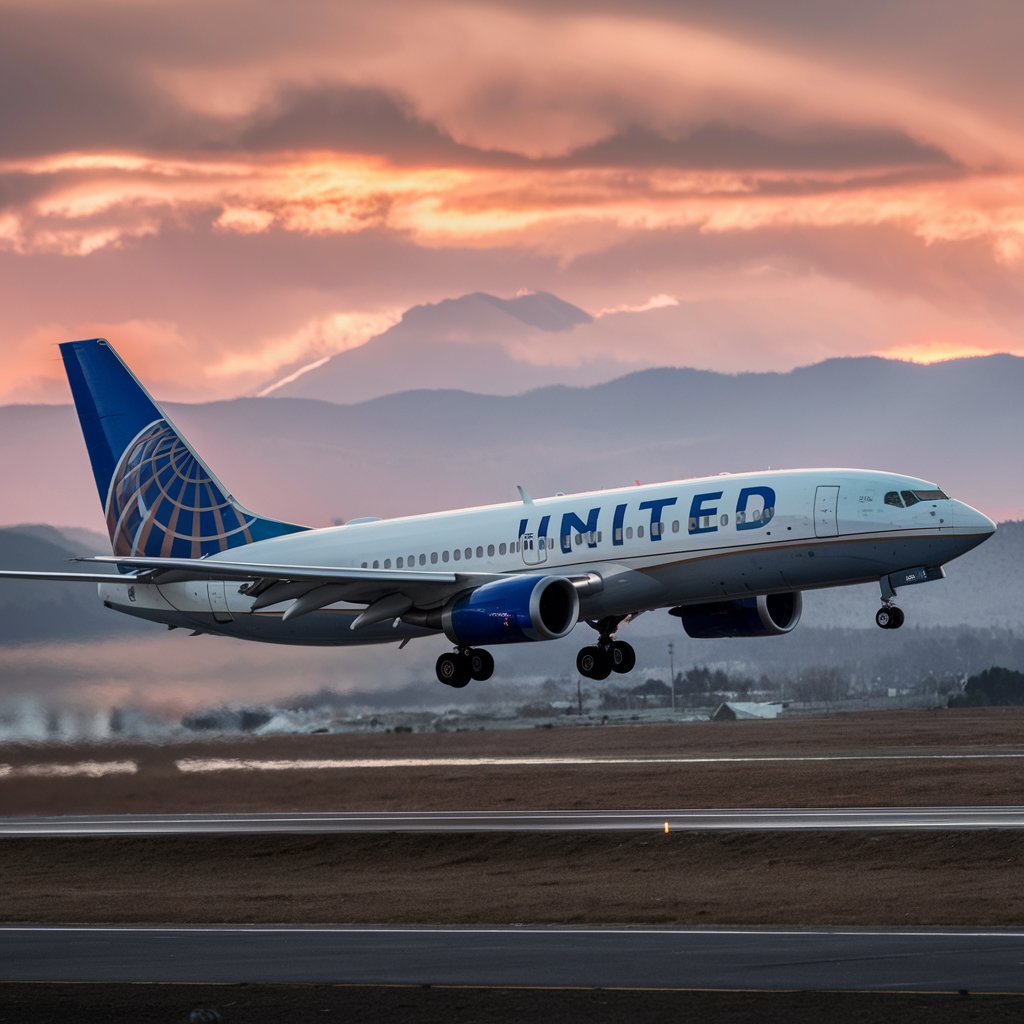 Possible Reasons Behind the United Airlines Flight UA770 Emergency Diversion
There are several reasons why a commercial flight like United Airlines Flight UA770 might require an emergency diversion. One of the most common causes is a medical emergency involving a passenger or crew member. If someone experiences a serious health issue during the flight, pilots may decide to land immediately at the nearest airport where medical assistance is available. In many cases, fast action can save lives and prevent medical conditions from becoming more severe.
Technical concerns are another common reason for diversions. Aircraft systems are designed with multiple layers of safety protection, and even minor irregularities can trigger precautionary procedures. Pilots may receive warning indicators related to engines, hydraulic systems, cabin pressure, or navigation equipment. Although many technical issues are not immediately dangerous, aviation safety standards require crews to take preventive measures rather than continue operating under uncertain conditions.
Weather conditions can also force flights to divert unexpectedly. Severe turbulence, thunderstorms, strong crosswinds, lightning, heavy snowfall, or reduced visibility may make landing at the original destination unsafe. Pilots constantly monitor weather data and coordinate with air traffic controllers to identify safer alternatives when conditions become hazardous.
Security concerns are another possibility in emergency diversions. Airlines follow strict global security protocols to protect passengers and crew members. Any suspicious activity, security threat, or onboard disturbance may result in an immediate route change and emergency landing.
How Airlines Handle Emergency Diversions
When an emergency diversion occurs, airline crews follow highly structured safety procedures designed to protect everyone onboard. Pilots first assess the situation carefully while communicating with air traffic control and airline operation centers. They evaluate factors such as fuel levels, nearby airports, weather conditions, runway availability, and emergency services before selecting the safest landing location.
Cabin crew members also play an essential role during diversions. Flight attendants are trained to remain calm, provide instructions to passengers, and manage cabin safety procedures during stressful situations. Clear communication is critical because passengers may feel anxious when hearing terms like “emergency diversion” or “unscheduled landing.” Airline crews are trained to reduce panic while ensuring passengers follow safety instructions correctly.
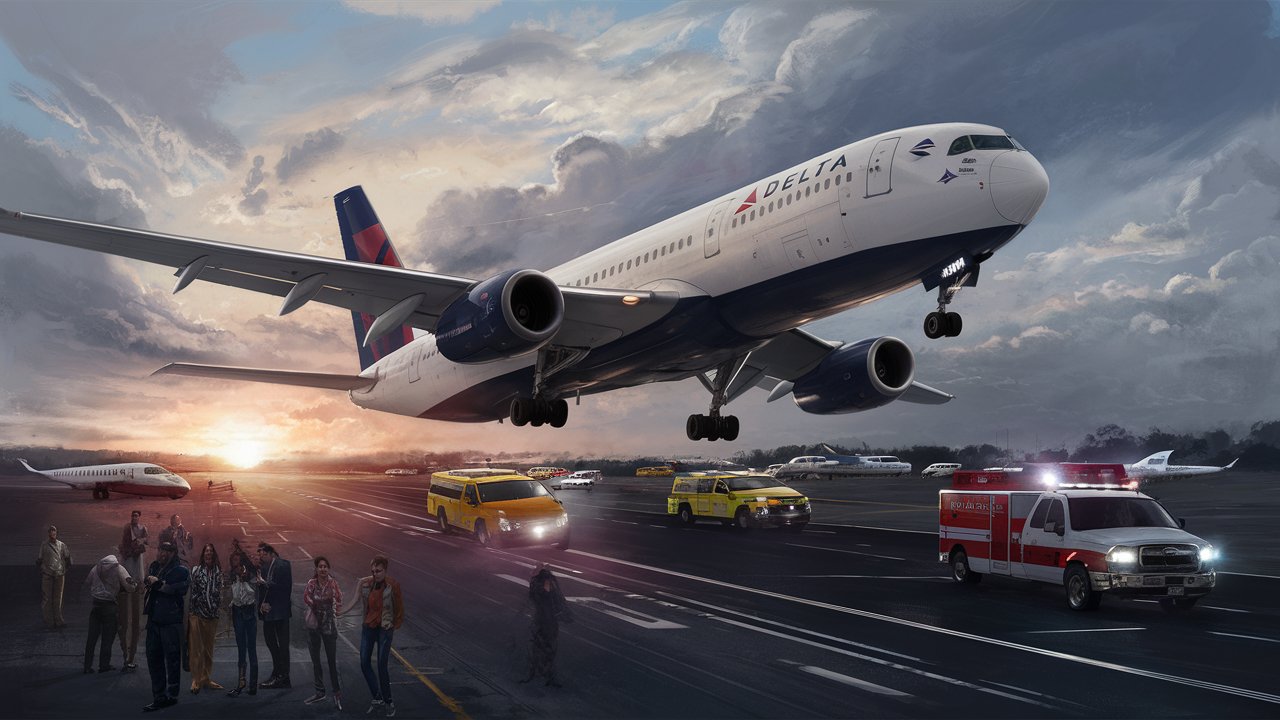
Ground emergency teams are usually prepared before the aircraft lands. Depending on the situation, medical personnel, firefighters, maintenance crews, or security teams may be positioned near the runway to respond immediately after landing. Coordination between pilots, airports, and emergency responders is one of the most important aspects of successful aviation safety management.
After the aircraft lands safely, airline teams work to support passengers through rebooking assistance, accommodations, technical inspections, and updated travel arrangements. Although diversions can be inconvenient, airlines prioritize safety over maintaining schedules because passenger well-being is always the highest priority.
Passenger Experience During an Emergency Diversion
Passengers onboard diverted flights often experience uncertainty, stress, and confusion, especially if they are unfamiliar with aviation procedures. During incidents like the United Airlines Flight UA770 emergency diversion, travelers may notice changes in the aircraft’s route, announcements from the flight crew, or unusual preparations for landing. While these situations can feel alarming, it is important to understand that diversions are typically preventive actions designed to ensure safety.
Communication from the airline crew plays a major role in shaping passenger experiences. Clear explanations, calm behavior, and regular updates can significantly reduce anxiety among travelers. Most airlines train flight attendants to maintain professionalism during emergencies while offering reassurance and support to passengers.
Many travelers also gain a greater appreciation for aviation safety systems after experiencing an emergency diversion firsthand. Commercial aviation is built on strict regulations, continuous training, and detailed emergency planning. The fact that pilots choose to divert flights instead of ignoring potential issues demonstrates the effectiveness of aviation safety culture.
Passengers affected by diversions may experience delays, missed connections, or travel disruptions, but airlines usually provide assistance through rebooking services, hotel accommodations, meal vouchers, or compensation policies depending on the situation.
Importance of Aviation Safety Procedures
The United Airlines Flight UA770 emergency diversion highlights the importance of aviation safety procedures in modern air travel. Every commercial airline operates under strict national and international regulations designed to minimize risks and protect passengers. Pilots, engineers, air traffic controllers, and cabin crews undergo continuous training to prepare for emergency situations.
Aircraft maintenance is one of the most critical parts of aviation safety. Airlines perform routine inspections, system checks, and preventive maintenance to ensure aircraft remain fully operational. Even small irregularities are taken seriously because aviation safety standards focus on prevention rather than reaction.
Pilot training is equally important. Commercial airline pilots regularly practice emergency scenarios in advanced flight simulators that replicate engine failures, weather emergencies, system malfunctions, and emergency landings. This training helps pilots make fast and accurate decisions under pressure.
Air traffic control systems also contribute to aviation safety by guiding aircraft routes, monitoring airspace conditions, and coordinating emergency landings when necessary. The collaboration between pilots and air traffic controllers is essential during emergency diversions.
Media Attention and Public Interest in Flight Diversions
Incidents involving commercial airlines often receive widespread attention online and in the media because air travel safety is a topic that concerns millions of people worldwide. The United Airlines Flight UA770 emergency diversion generated public interest because passengers naturally want transparency regarding aviation incidents and airline safety procedures.
Social media platforms have also changed how aviation events are discussed publicly. Passengers frequently share updates, photos, and videos during flight disruptions, causing incidents to spread rapidly online. While this increases awareness, it can also lead to misinformation if details are shared before official statements are released.
For this reason, aviation experts encourage travelers to rely on verified airline communications and official reports when seeking accurate information about emergency incidents. Airlines typically investigate diversions carefully and provide updates once technical inspections and safety evaluations are completed.
The Role of Technology in Modern Aviation Safety
Technology has transformed aviation safety significantly over the past few decades. Modern aircraft contain sophisticated systems capable of detecting mechanical irregularities long before they become critical problems. These technologies allow pilots and engineers to respond quickly and reduce risks during flights.
Real-time communication systems also improve emergency management by connecting pilots directly with airline operation centers, maintenance experts, and air traffic controllers. Advanced navigation systems help pilots identify the safest alternative airports during diversions.
Artificial intelligence and predictive maintenance systems are becoming increasingly important in aviation. Airlines can analyze aircraft data continuously to identify maintenance needs before failures occur. This proactive approach improves safety while reducing operational disruptions.
The aviation industry continues investing heavily in technology because passenger safety remains the highest priority for airlines, manufacturers, and regulators worldwide.
Conclusion
The United Airlines Flight UA770 emergency diversion demonstrates how commercial aviation prioritizes passenger safety through rapid decision-making, advanced technology, and highly trained professionals. Although emergency diversions can be stressful for passengers, they are usually precautionary actions designed to prevent larger risks and ensure safe outcomes. Pilots, cabin crews, air traffic controllers, and emergency response teams work together under strict safety protocols whenever unexpected situations arise during flights.
Modern aviation systems are built around prevention, preparation, and continuous monitoring. From aircraft maintenance and pilot training to real-time communication and advanced safety technologies, every aspect of commercial aviation focuses on protecting passengers and crew members. The response to incidents like the United Airlines Flight UA770 diversion reflects the effectiveness of these safety procedures and the aviation industry’s commitment to operational excellence.
As global air travel continues growing, emergency preparedness and safety innovation will remain essential priorities. Understanding how airlines handle diversions helps passengers feel more informed and confident about the systems designed to protect them throughout every journey.
Frequently Asked Questions (FAQ)
What is an emergency diversion in aviation?
An emergency diversion happens when an aircraft changes its planned route and lands at an alternate airport due to safety concerns, medical emergencies, weather issues, or technical problems.
Why did United Airlines Flight UA770 divert?
Flights may divert for several reasons, including medical situations, technical irregularities, weather conditions, or security concerns. Airlines prioritize safety when making diversion decisions.
Are emergency diversions dangerous?
Most emergency diversions are precautionary measures designed to prevent greater risks. Commercial aviation follows strict safety procedures to ensure passengers remain safe.
How do pilots decide where to divert?
Pilots evaluate nearby airports, weather conditions, runway availability, fuel levels, and emergency services before selecting the safest alternative airport.
What happens to passengers after a diverted flight lands?
Airlines usually provide support such as rebooking assistance, accommodations, meal vouchers, or updated travel arrangements depending on the situation.
How safe is commercial aviation today?
Commercial aviation is considered one of the safest forms of transportation due to strict regulations, advanced technology, continuous maintenance, and extensive pilot training.