
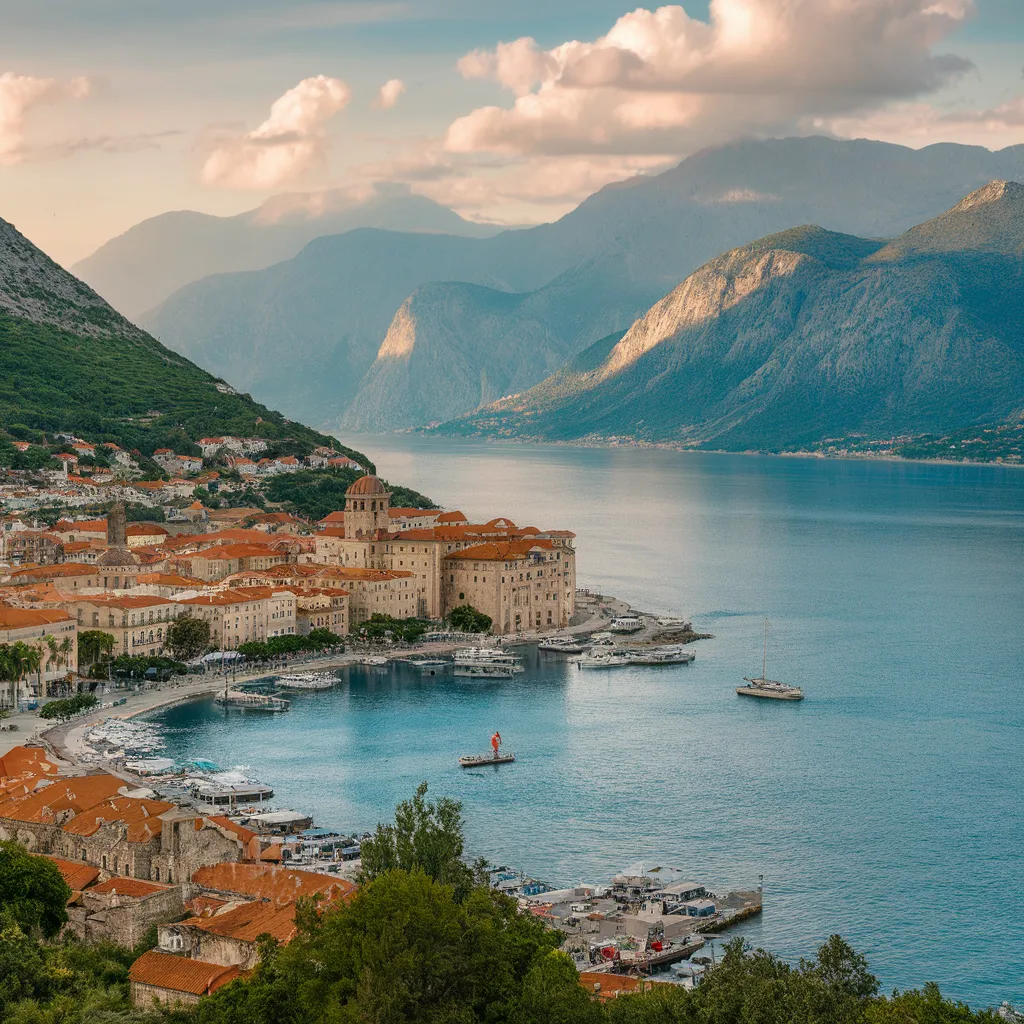
Nestled between towering mountains and the sparkling waters of the Adriatic Sea lies Kotor, Montenegro, one of the most enchanting destinations in Southern Europe. Known for its medieval architecture, winding cobblestone streets, and breathtaking natural scenery, Kotor has become a must-visit location for travelers seeking history, culture, and tranquility. The old town of Kotor, a UNESCO World Heritage Site, is a living museum that tells the story of centuries of maritime trade, Venetian influence, and Balkan resilience.
Unlike many crowded tourist hubs, Kotor offers an authentic experience where time seems to slow down. Visitors can wander through ancient city walls, climb to the fortress of San Giovanni for panoramic views, or simply enjoy a coffee by the bay while watching yachts glide across the calm waters. This article explores everything that makes Kotor, Montenegro (Kotor Montenegro) a top travel destination — from its history and attractions to travel tips and frequently asked questions.
The History of Kotor Montenegro
The history of Kotor (Kotora Melnkalne) stretches back more than two millennia. Originally founded by the Romans, Kotor flourished as a strategic port city due to its natural harbor and mountainous protection. During the Middle Ages, it became part of the Byzantine Empire and later came under Venetian rule, which left a lasting mark on its architecture and culture. The Venetian influence is still visible today in the city’s fortifications, churches, and narrow alleyways.
Throughout history, Kotor has faced numerous challenges — from earthquakes to invasions — yet it has always managed to preserve its identity. The city’s old town, surrounded by massive stone walls, is a testament to its resilience. Walking through Kotor feels like stepping back in time, with every corner revealing a piece of its storied past.
The Old Town of Kotor – A UNESCO World Heritage Site
The Old Town of Kotor is the heart and soul of the city. Enclosed by medieval walls that stretch for nearly five kilometers, it is one of the best-preserved fortified towns in the Adriatic region. The labyrinth of narrow streets, charming squares, and ancient buildings creates an atmosphere that captivates every visitor.
Among the most notable landmarks is the Cathedral of Saint Tryphon, built in 1166 and dedicated to Kotor’s patron saint. Its Romanesque architecture and intricate frescoes make it a masterpiece of medieval art. Other highlights include the Church of Saint Nicholas, the Clock Tower, and the Maritime Museum, which showcases Kotor’s seafaring heritage.
The old town is also home to cozy cafes, boutique shops, and family-run restaurants where visitors can savor Montenegrin cuisine. Whether exploring during the day or strolling under the soft glow of evening lights, Kotor’s old town offers an unforgettable experience.
The Bay of Kotor – Nature’s Masterpiece
The Bay of Kotor (Boka Kotorska) is often described as Europe’s southernmost fjord, though it is technically a submerged river canyon. Surrounded by steep limestone cliffs and dotted with picturesque villages, the bay is one of the most stunning natural landscapes in the Balkans.
Cruise ships frequently anchor in the bay, allowing passengers to admire the breathtaking scenery. The calm, deep waters reflect the surrounding mountains, creating a mirror-like effect that leaves visitors in awe. Along the bay, charming towns such as Perast, Risan, and Dobrota offer peaceful escapes with historic charm.
Perast, in particular, is famous for its baroque architecture and the two small islands just offshore — Our Lady of the Rocks and Saint George. A short boat ride from Kotor takes visitors to these islands, where legends and history intertwine in a setting of serene beauty.
Things to Do in Kotor Montenegro
Kotor offers a wide range of activities for every type of traveler.
- Climb the Fortress of San Giovanni: The hike to the top is challenging but rewarding. From the fortress, visitors enjoy panoramic views of the bay and the old town below.
- Explore the City Walls: Walking along the ancient walls provides a unique perspective of Kotor’s architecture and history.
- Visit the Maritime Museum: Learn about Kotor’s naval past and its role as a major Adriatic port.
- Enjoy Local Cuisine: Try traditional dishes such as Njeguški pršut (smoked ham), kacamak (cornmeal dish), and fresh seafood from the bay.
- Take a Boat Tour: Discover hidden coves, swim in crystal-clear waters, and visit nearby islands.
- Attend the Kotor Carnival: This annual event fills the streets with music, costumes, and celebration, showcasing Montenegro’s vibrant culture.
Best Time to Visit Kotor
The best time to visit Kotor, Montenegro is from April to October, when the weather is warm and the Adriatic Sea is perfect for swimming. The summer months (June to August) are the busiest, attracting tourists from around the world. For a quieter experience, spring and early autumn offer pleasant temperatures and fewer crowds.
Winter in Kotor is mild, and while some tourist facilities may close, the city retains its charm. The peaceful atmosphere during the off-season allows visitors to explore the old town without the hustle and bustle of summer tourism.
Travel Tips for Visiting Kotor
- Currency: The official currency is the Euro (€).
- Language: Montenegrin is the official language, but English is widely spoken in tourist areas.
- Transportation: Kotor is easily accessible by car, bus, or cruise ship. The nearest airport is in Tivat, just 8 kilometers away.
- Accommodation: From luxury hotels overlooking the bay to cozy guesthouses in the old town, Kotor offers options for every budget.
- Local Etiquette: Montenegrins are known for their hospitality. A friendly greeting and respect for local customs go a long way.
Conclusion
Kotor Montenegro (Kotora Melnkalne) is a destination that perfectly blends history, culture, and natural beauty. Its medieval old town, stunning bay, and welcoming atmosphere make it one of the most captivating places in Europe. Whether you are a history lover, an adventure seeker, or simply someone looking for peace by the sea, Kotor offers an experience that stays with you long after you leave.
From the echo of church bells in the old town to the shimmering reflections on the bay, Kotor captures the essence of the Adriatic spirit — timeless, elegant, and full of life.
Frequently Asked Questions (FAQ)
1. Where is Kotor located?
Kotor is located on the Adriatic coast of Montenegro, in the Bay of Kotor, surrounded by the Dinaric Alps.
2. Is Kotor worth visiting?
Absolutely. Kotor offers a unique combination of medieval architecture, stunning natural scenery, and rich cultural heritage.
3. How many days should I spend in Kotor?
Two to three days are ideal to explore the old town, climb the fortress, and take a boat trip around the bay.
4. What is Kotor famous for?
Kotor is famous for its UNESCO-listed old town, Venetian architecture, and the breathtaking Bay of Kotor.
5. Is Kotor expensive?
Compared to Western Europe, Kotor is relatively affordable. Prices vary depending on the season and type of accommodation.