
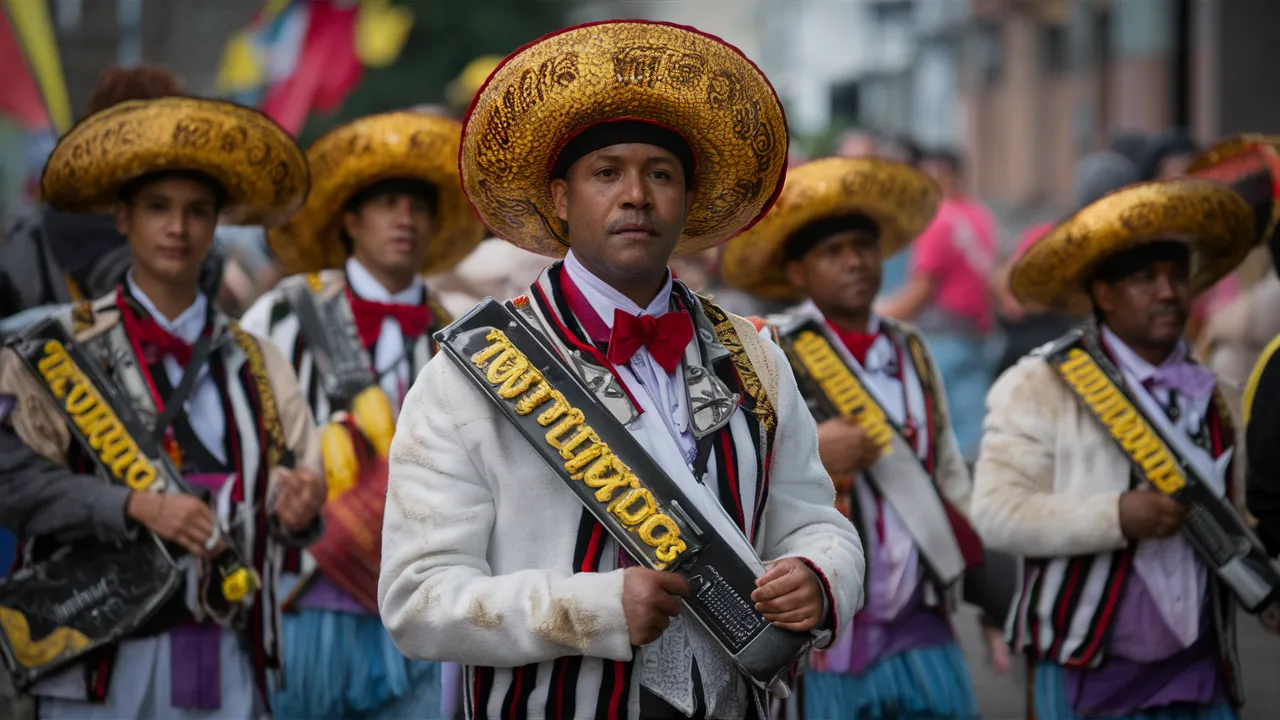
In an increasingly globalized world where cultural traditions face the constant challenge of preservation and adaptation, understanding unique cultural phenomena becomes more important than ever. Ciulioneros represents one such fascinating aspect of cultural heritage that has captured the attention of anthropologists, cultural enthusiasts, and communities worldwide. This comprehensive guide delves deep into the world of ciulioneros, exploring its historical roots, cultural significance, modern interpretations, and the role it plays in contemporary society. Whether you’re a researcher, a cultural enthusiast, or simply curious about this intriguing tradition, this article provides everything you need to know about ciulioneros, from its ancient origins to its present-day manifestations and future prospects.
The term “ciulioneros” carries with it layers of meaning that extend far beyond simple definition. It encompasses a rich tapestry of cultural practices, community bonds, traditional knowledge, and social structures that have evolved over generations. Understanding ciulioneros requires us to look beyond surface-level descriptions and immerse ourselves in the historical context, social dynamics, and cultural values that have shaped this phenomenon. Throughout this article, we will explore the multifaceted nature of ciulioneros, examining how it has adapted to changing times while maintaining its core essence, and why it continues to hold relevance in our modern world.
What Are Ciulioneros? Defining the Concept
Ciulioneros represents a complex cultural concept that defies simple categorization, embodying elements of tradition, community practice, and cultural identity that have been passed down through generations. At its core, ciulioneros refers to individuals or groups who participate in specific cultural practices, rituals, or traditions that are deeply rooted in their community’s heritage. The term itself carries historical weight, having evolved over centuries to encompass not just the practitioners themselves but also the entire ecosystem of beliefs, practices, and social structures that surround these traditions. Understanding what ciulioneros truly means requires us to examine it from multiple perspectives: as a social role, as a cultural practice, as a form of community organization, and as a living tradition that continues to evolve while maintaining connections to its historical roots.
The significance of ciulioneros extends far beyond mere participation in traditional activities. These individuals or groups often serve as cultural custodians, preserving knowledge, techniques, and practices that might otherwise be lost to time. They act as bridges between generations, ensuring that younger community members understand and appreciate their cultural heritage while also adapting these traditions to remain relevant in contemporary contexts. Ciulioneros embody the living nature of culture itself, demonstrating how traditions can maintain their essential character while evolving to meet the needs and circumstances of each new generation. Their role in their communities is multifaceted, encompassing education, cultural preservation, social cohesion, and the maintenance of collective identity in an increasingly homogenized global culture.
Historical Origins and Evolution of Ciulioneros
The historical roots of ciulioneros stretch back through centuries of cultural development, emerging from specific geographical, social, and economic contexts that shaped their formation and evolution. Tracing the origins of ciulioneros requires us to examine the historical circumstances that gave rise to these practices, including the social structures, economic systems, and cultural values of the communities where they first emerged. Early ciulioneros likely developed as responses to specific community needs, whether those were related to agricultural cycles, religious observances, social organization, or the preservation of specialized knowledge and skills. These early practitioners established patterns and traditions that would be refined and passed down through subsequent generations, creating a continuous thread of cultural practice that connects the past to the present.
As societies evolved and changed over time, so too did the nature and role of ciulioneros. Different historical periods brought new challenges and opportunities that shaped how these traditions were practiced and understood. During times of social stability, ciulioneros practices might have become more elaborate and formalized, with established hierarchies, specialized roles, and complex ceremonial elements. Conversely, periods of social upheaval, migration, or cultural contact often forced ciulioneros to adapt, sometimes incorporating new elements from other cultures or simplifying practices to ensure their survival under difficult circumstances. The resilience of ciulioneros traditions through various historical challenges speaks to their fundamental importance to community identity and social cohesion. Understanding this historical evolution helps us appreciate not only where ciulioneros came from but also how they have demonstrated remarkable adaptability while maintaining core cultural values and practices.
Cultural Significance and Community Impact
Ciulioneros practices often embody the deepest values and beliefs of their communities, providing tangible expressions of abstract cultural concepts and creating shared experiences that bind community members together across generations. Through participation in ciulioneros traditions, individuals connect not only with their contemporaries but also with ancestors who practiced these same traditions and with future generations who will inherit them. This temporal continuity creates a powerful sense of belonging and purpose, anchoring individuals within a larger cultural narrative that extends far beyond their individual lifespans.
Beyond their role in cultural preservation, ciulioneros have profound impacts on community structure and social relationships. These traditions often create opportunities for intergenerational interaction, allowing elders to pass on knowledge and wisdom to younger community members in contexts that emphasize respect, learning, and cultural continuity. Ciulioneros practices frequently involve collaborative activities that require community members to work together, fostering cooperation, mutual support, and social bonds that strengthen the overall fabric of community life. In many cases, participation in ciulioneros traditions also serves as a marker of community membership and social status, with individuals gaining recognition and respect through their knowledge, skill, and dedication to these practices. The social capital generated through ciulioneros participation extends into other areas of community life, creating networks of relationships and mutual obligations that support community resilience and cohesion in the face of external challenges.
Modern Interpretations and Contemporary Practices
In the twenty-first century, ciulioneros traditions face both unprecedented challenges and exciting opportunities as they navigate the complexities of modern life. Contemporary practitioners of ciulioneros must balance the preservation of traditional elements with the need to remain relevant and accessible to younger generations who have grown up in vastly different circumstances than their ancestors. This balancing act has led to creative adaptations and reinterpretations of ciulioneros practices, with some communities embracing technological tools to document and share their traditions, while others focus on maintaining strict adherence to historical practices as a form of cultural resistance against homogenizing global forces. The diversity of approaches to modern ciulioneros practice reflects the varied circumstances and priorities of different communities, demonstrating that there is no single “correct” way to maintain these traditions in contemporary contexts.
Modern ciulioneros practitioners often find themselves serving as cultural ambassadors, explaining and contextualizing their traditions for outsiders while also working to ensure that community members, particularly youth, understand and value their cultural heritage. This dual role requires sophisticated cultural competency and communication skills, as practitioners must navigate between insider and outsider perspectives, traditional and modern worldviews, and local and global contexts. Many contemporary ciulioneros have embraced social media, digital documentation, and online communities as tools for cultural preservation and education, creating new spaces for tradition to thrive while also opening up possibilities for cross-cultural dialogue and exchange. These modern adaptations demonstrate the continuing vitality and relevance of ciulioneros traditions, showing that cultural practices can evolve and incorporate new elements while maintaining their essential character and significance.
The Role of Ciulioneros in Cultural Preservation
Ciulioneros play an absolutely critical role in the preservation of intangible cultural heritage, serving as living repositories of knowledge, skills, and practices that might otherwise disappear in the face of rapid social change and cultural homogenization. This makes the role of ciulioneros practitioners particularly crucial, as they are not merely preserving information but maintaining living traditions that require active practice and transmission to survive. The knowledge held by ciulioneros often encompasses far more than the visible aspects of their traditions, including subtle techniques, contextual understanding, cultural meanings, and the social and spiritual dimensions that give these practices their full significance.
The preservation work undertaken by ciulioneros extends beyond simply maintaining traditional practices in their historical forms. Effective cultural preservation in the modern context requires active engagement with questions of relevance, accessibility, and adaptation, ensuring that traditions remain meaningful and valuable to contemporary community members while maintaining their essential character and cultural integrity.Many ciulioneros also collaborate with researchers, cultural organizations, and educational institutions to document their traditions, create educational resources, and advocate for the recognition and support of intangible cultural heritage. Through these multifaceted preservation efforts, ciulioneros ensure that their traditions continue to enrich human cultural diversity and provide meaningful connections to heritage for future generations.
Challenges Facing Ciulioneros Today
Despite their cultural importance and the dedication of practitioners, ciulioneros traditions face numerous significant challenges in the contemporary world, ranging from demographic shifts and economic pressures to cultural change and lack of institutional support. One of the most pressing challenges is the difficulty of transmitting traditional knowledge to younger generations who may have different priorities, interests, and life circumstances than their predecessors. Young people in many communities face pressures to pursue education and career opportunities that may take them away from their home communities or leave them with little time or energy for cultural practices.
Additionally, ciulioneros often lack formal recognition and support from governmental and institutional structures, receiving little funding, legal protection, or policy support for their cultural preservation work. This lack of institutional backing can make it difficult to sustain traditions, particularly when they require resources, spaces, or materials that are increasingly scarce or expensive. Addressing these challenges requires coordinated efforts from practitioners, communities, cultural organizations, and policymakers to create supportive conditions for the continuation of ciulioneros traditions.
The Future of Ciulioneros: Adaptation and Innovation
Looking toward the future, the prospects for ciulioneros traditions depend largely on the ability of practitioners and communities to navigate between preservation and adaptation, maintaining cultural integrity while embracing necessary innovations that ensure continued relevance and vitality. The most successful approaches to sustaining ciulioneros traditions will likely involve creative combinations of traditional and modern elements, finding ways to honor historical practices while also making them accessible and meaningful to contemporary participants. This might involve incorporating new technologies for documentation and education, adapting traditional practices to fit contemporary schedules and lifestyles, or finding new contexts and purposes for traditional knowledge and skills. The key is to approach adaptation thoughtfully and deliberately, ensuring that changes enhance rather than undermine the cultural significance and community value of ciulioneros traditions.
Innovation in ciulioneros practice also opens up exciting possibilities for cross-cultural exchange, collaboration, and mutual learning among different communities facing similar challenges in cultural preservation. Digital platforms and global networks create unprecedented opportunities for ciulioneros practitioners to connect with each other, share strategies and experiences, and build solidarity across geographical and cultural boundaries. These connections can provide inspiration, support, and practical resources for communities working to sustain their traditions, while also contributing to broader conversations about cultural diversity, heritage preservation, and the value of traditional knowledge in addressing contemporary challenges.
Conclusion
Ciulioneros represents far more than simply a set of traditional practices or cultural artifacts; it embodies the living connection between past, present, and future, serving as a vital mechanism for cultural continuity, community cohesion, and the preservation of diverse human heritage. Throughout this comprehensive exploration, we have examined the multifaceted nature of ciulioneros, from its historical origins and cultural significance to the challenges and opportunities it faces in the contemporary world.As communities continue to navigate the tensions between tradition and modernity, preservation and adaptation, local and global, ciulioneros traditions offer valuable models for how cultural heritage can remain vital and relevant across generations.
The future of ciulioneros ultimately depends on the collective commitment of practitioners, communities, cultural organizations, and broader society to recognize, value, and support these important traditions.By understanding and supporting ciulioneros, we contribute to the preservation of human cultural diversity and ensure that future generations will have access to the rich heritage of knowledge, practice, and meaning that these traditions embody. The story of ciulioneros is ultimately a story about the human capacity for cultural creativity, community solidarity, and the transmission of meaning across time, reminding us of the enduring importance of tradition in shaping who we are and who we might become.
Frequently Asked Questions (FAQ)
Q1: What exactly does the term “ciulioneros” mean?
Ciulioneros refers to individuals or groups who participate in and preserve specific cultural traditions, practices, and knowledge within their communities. The term encompasses both the practitioners themselves and the broader cultural ecosystem of beliefs, rituals, and social structures associated with these traditions. Ciulioneros serve as cultural custodians, maintaining connections to heritage while adapting practices to remain relevant in contemporary contexts.
Q2: How old are ciulioneros traditions?
The age of ciulioneros traditions varies depending on the specific community and practices involved, but many have roots stretching back centuries or even millennia. These traditions have evolved over time, adapting to changing social, economic, and cultural circumstances while maintaining core elements that connect contemporary practices to their historical origins. The longevity of ciulioneros traditions speaks to their fundamental importance to community identity and cultural continuity.
Q3: Are ciulioneros practices still relevant in modern society?
Absolutely. Ciulioneros traditions remain highly relevant in modern society, providing cultural identity, community cohesion, and connections to heritage that are increasingly valuable in our globalized world. Contemporary practitioners have found creative ways to adapt traditional practices to fit modern lifestyles while maintaining their cultural significance. These traditions offer alternative perspectives and knowledge systems that can contribute to addressing contemporary challenges and enriching cultural diversity.
Q4: How can younger generations get involved in ciulioneros traditions?
Many communities have established formal and informal mentorship programs that facilitate knowledge transmission between generations. Digital resources and online communities also provide accessible entry points for learning about and engaging with ciulioneros traditions.
Q5: What are the biggest threats to ciulioneros traditions today?
The primary threats to ciulioneros traditions include generational disconnect as younger people pursue different lifestyles and priorities, economic pressures that make it difficult to dedicate time and resources to traditional practices, cultural homogenization driven by globalization and mass media, lack of institutional recognition and support, and the loss of traditional contexts and environments where these practices historically thrived. Addressing these threats requires coordinated efforts from practitioners, communities, and supportive institutions.
Q6: How do ciulioneros traditions differ from one community to another?
Ciulioneros traditions vary significantly across different communities, reflecting unique historical experiences, geographical contexts, social structures, and cultural values. While the general concept of cultural practitioners preserving and transmitting traditional knowledge remains consistent, the specific practices, beliefs, social roles, and meanings associated with ciulioneros differ based on each community’s particular heritage and circumstances.
Q7: Can outsiders participate in or learn about ciulioneros traditions?
The extent to which outsiders can participate in ciulioneros traditions varies depending on the specific community and practices involved.Anyone interested in learning about ciulioneros should approach with respect, humility, and willingness to follow community protocols and guidance from practitioners regarding appropriate participation and engagement.
Q8: What role does technology play in modern ciulioneros practice?
Technology plays an increasingly important role in modern ciulioneros practice, offering tools for documentation, education, communication, and cultural preservation.