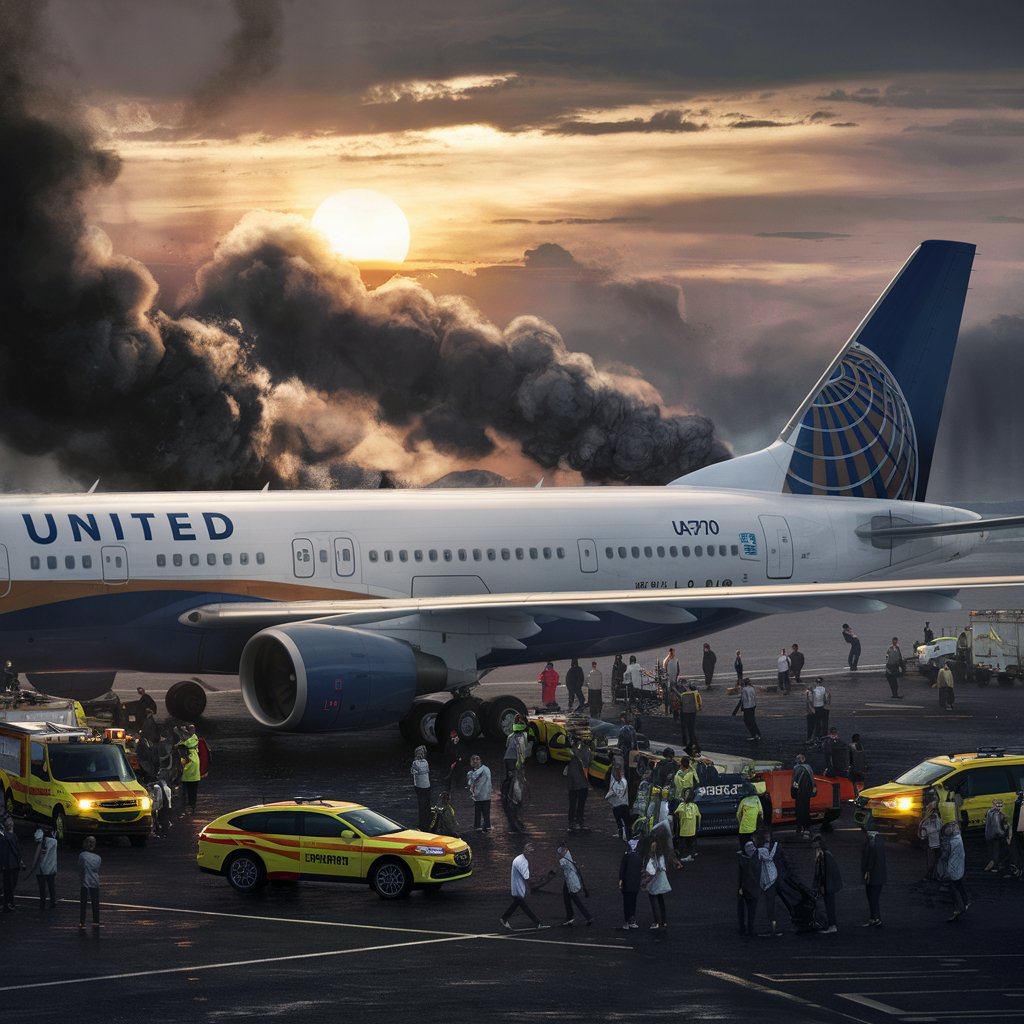
Commercial aviation incidents often become major news stories whenever an aircraft unexpectedly changes course during flight operations. Recently, online searches for “United Airlines Flight UA770 emergency diversion” increased rapidly after reports emerged that the flight diverted from its planned route because of an in-flight situation requiring immediate attention. Passengers, aviation enthusiasts, and travelers across social media platforms quickly began looking for information about what happened onboard the aircraft, whether passengers remained safe, and how United Airlines handled the unexpected event. As discussions spread online, the incident became a trending topic among people following airline safety and aviation news.
Flight diversions are a critical part of modern aviation safety systems. Although hearing the phrase “emergency diversion” may sound alarming to many travelers, aviation experts frequently explain that diversions are often precautionary decisions intended to ensure the safety of passengers and crew members. Pilots and airline operation centers continuously monitor aircraft systems, weather conditions, operational factors, and passenger situations throughout every journey. If any unusual issue arises during a flight, crews may decide to land at an alternate airport rather than continue toward the original destination under uncertain conditions.
The incident involving United Airlines Flight UA770 attracted significant public attention because flight diversions involving major airlines naturally generate concern and curiosity. In today’s digital world, flight-tracking websites and social media platforms allow people to monitor aircraft activity in real time, meaning unusual route changes can quickly become global discussions. This article explores everything currently known about the United Airlines Flight UA770 emergency diversion, including possible causes, passenger reactions, airline safety procedures, aviation expert opinions, and the broader importance of emergency preparedness in commercial aviation.
 What Happened to United Airlines Flight UA770?
 What Happened to United Airlines Flight UA770?
United Airlines Flight UA770 reportedly diverted from its original route after the flight crew identified a situation that required operational attention during the journey. Although official details are sometimes limited during the early stages of an aviation incident, experts explain that pilots are trained to respond conservatively whenever safety concerns arise. In modern commercial aviation, precautionary actions are strongly encouraged because airlines prioritize safety above scheduling, fuel costs, or operational convenience.
As the aircraft altered its flight path, online tracking platforms quickly noticed the unusual movement. Aviation enthusiasts and travelers following the flight began discussing the diversion across social media platforms and online forums. The incident quickly attracted widespread attention because unexpected diversions involving commercial passenger flights often create public concern regarding aircraft safety and onboard conditions.
Reports later confirmed that the aircraft landed safely at the alternate airport selected for the diversion. Emergency response teams and airport personnel were reportedly available upon arrival as part of standard aviation procedures. The safe landing highlighted the effectiveness of airline emergency response systems and demonstrated how pilots, air traffic controllers, and airport authorities coordinate during unexpected situations.
Why Emergency Flight Diversions Happen
Many passengers assume emergency diversions only occur during severe mechanical failures or life-threatening situations. However, aviation professionals explain that diversions are often precautionary measures designed to reduce risk before a problem becomes more serious. Airlines encourage pilots to make cautious decisions whenever uncertainty exists during a flight.
Medical emergencies are among the most common reasons for airline diversions. If a passenger or crew member experiences a serious health issue, pilots may choose to land at the nearest suitable airport so emergency medical treatment can be provided immediately. Technical concerns also frequently result in diversions. Modern aircraft contain sophisticated monitoring systems capable of identifying irregularities long before they become dangerous. Even relatively minor warning indicators can lead to precautionary landings because aviation safety standards require airlines to respond proactively.
Weather conditions represent another major reason flights may be diverted. Severe turbulence, thunderstorms, strong winds, lightning activity, or poor visibility can force pilots to change routes or land at alternate airports. Cabin pressure issues, security concerns, fuel management complications, and operational challenges may also contribute to emergency landings. Aviation experts consistently emphasize that diversions are part of normal airline safety operations and should not automatically be viewed as catastrophic events.
United Airlines and Commercial Aviation Safety Standards
United Airlines is one of the world’s largest commercial carriers and operates under strict international aviation regulations. Like other major airlines, United invests heavily in pilot training, aircraft maintenance, emergency preparedness, and operational monitoring systems to ensure passenger safety during all stages of travel.
When an emergency diversion becomes necessary, pilots maintain constant communication with air traffic controllers and airline operation centers to identify the safest airport for landing. Cabin crews are trained to keep passengers informed while following emergency procedures if required. Depending on the nature of the incident, emergency services may prepare in advance before the aircraft arrives at the alternate airport.
Commercial aircraft maintenance standards are extremely strict across the aviation industry. Airlines perform regular inspections, technical evaluations, and system checks to ensure aircraft remain safe for operation. Aviation authorities require carriers to follow detailed maintenance schedules designed to identify and resolve potential issues before they become larger safety concerns.
The successful handling of United Airlines Flight UA770 demonstrates the importance of these safety procedures. Aviation professionals frequently explain that precautionary diversions reflect strong operational decision-making and highlight the industry’s commitment to passenger protection.
Passenger Reactions and Online Discussions
Passengers onboard diverted flights often experience uncertainty and concern, especially when operational details remain limited during the early stages of an incident. In the case of United Airlines Flight UA770, social media platforms quickly became filled with discussions, reactions, and speculation regarding the diversion.
Modern flight-tracking technology has transformed how aviation incidents become public news stories. Today, anyone with internet access can monitor aircraft routes in real time, meaning unexpected changes in flight paths immediately attract public attention. As soon as UA770 altered its route, online aviation communities began discussing possible reasons for the diversion.
Some passengers reportedly praised the professionalism of the cabin crew and the calm communication provided during the situation. Flight attendants receive extensive training in emergency response procedures and passenger management, helping reduce panic and maintain order during operational disruptions. Aviation experts often note that professional communication plays a crucial role in maintaining passenger confidence during unexpected events.
The Role of Alternate Airports During Aviation Emergencies
When pilots decide to divert a flight, selecting the appropriate alternate airport becomes extremely important. Airline operation centers and air traffic controllers evaluate several factors before choosing a diversion location, including runway length, weather conditions, emergency response capabilities, and maintenance support.
Large international airports are often preferred because they can handle commercial aircraft safely and provide immediate operational assistance. These airports maintain specialized emergency response teams consisting of firefighters, medical personnel, rescue crews, and maintenance technicians capable of responding quickly when an aircraft reports a possible issue.
Major airports also provide airlines with passenger support services, replacement crews, alternate flight arrangements, and aircraft inspection facilities. This infrastructure helps airlines minimize operational disruption while ensuring passengers receive proper care during unexpected situations.
How Flight Diversions Affect Travelers
Although diversions are primarily implemented for safety reasons, they can still disrupt passenger travel plans significantly. Travelers may face delays, missed connecting flights, overnight stays, or changes to their schedules after an emergency landing or precautionary diversion.
Airlines generally work to assist affected passengers by arranging alternate transportation, rebooking flights, and providing accommodations when necessary. In some situations, the aircraft may require detailed technical inspections before continuing operations, while in other cases passengers may be transferred to a different aircraft entirely.
Despite the inconvenience, aviation experts stress that diversions are ultimately designed to protect passengers from greater risks. Most travelers understand that a delayed arrival is preferable to continuing a flight when potential safety concerns exist.
Aviation Experts Explain Why Diversions Matter
Industry analysts frequently describe emergency diversions as examples of modern aviation safety systems functioning correctly. Pilots are encouraged to act conservatively whenever operational uncertainty exists, and airlines strongly support proactive decision-making that prioritizes prevention over risk-taking.
In earlier decades, airlines occasionally faced criticism for continuing flights despite technical concerns or operational warnings. Today’s aviation industry follows a different philosophy focused on preventive action, rapid response, and continuous safety improvement. Diversions, inspections, and precautionary landings are now considered responsible operational decisions rather than signs of failure.
The United Airlines Flight UA770 incident demonstrates how commercial aviation continues to evolve around safety-focused procedures. From pilot training to emergency airport coordination, every part of the system is designed to reduce risk and protect passengers during unexpected situations.
Conclusion
The incident involving United Airlines Flight UA770 emergency diversion highlights the aviation industry’s strong commitment to passenger safety and operational caution. Although unexpected diversions naturally attract attention and concern among travelers and online observers, they are often precautionary actions intended to ensure the safest possible outcome for everyone onboard. Airlines, pilots, airport authorities, and emergency response teams work together closely whenever unusual situations arise during commercial flight operations.
The safe landing of United Airlines Flight UA770 reflects the professionalism of airline crews and the effectiveness of modern aviation safety systems. Advanced aircraft technology, strict maintenance standards, extensive pilot training, and coordinated emergency procedures all contribute to making commercial aviation one of the safest forms of transportation in the world.
As social media and real-time flight-tracking systems continue increasing public awareness of aviation incidents, emergency diversions will likely remain highly discussed online. However, the broader message remains reassuring: modern commercial aviation is built around prevention, preparation, and passenger safety at every stage of flight operations.
FAQ About United Airlines Flight UA770 Emergency Diversion
Why was United Airlines Flight UA770 diverted?
The flight may have been diverted because of a medical emergency, technical concern, weather issue, or another operational safety precaution.
Did United Airlines Flight UA770 land safely?
Yes, reports indicate that the aircraft landed safely at the alternate airport.
Are emergency diversions common in commercial aviation?
Yes, flight diversions occur regularly as precautionary safety measures in the aviation industry.
Why do airlines divert flights instead of continuing to the destination?
Airlines prioritize passenger safety and may divert flights whenever unusual conditions or operational concerns arise.
Do passengers receive compensation after a diversion?
Compensation depends on airline policy, the reason for the diversion, and travel regulations.
Is commercial aviation still safe after incidents like this?
Yes. Commercial aviation remains one of the safest transportation systems because of strict safety regulations, advanced technology, and highly trained crews.