
Commercial aviation incidents often capture worldwide attention, especially when a major passenger aircraft unexpectedly changes course during a scheduled journey. Recently, searches for “United Airlines Flight UA770 emergency diversion” began trending online after reports surfaced that the flight diverted from its planned route due to an unexpected situation during operations. Passengers, aviation enthusiasts, and social media users quickly turned to search engines to understand what happened onboard the aircraft, whether passengers remained safe, and how the airline handled the incident. As the story spread across aviation tracking platforms and online discussions, interest in the United Airlines diversion continued growing rapidly.
Flight diversions are an important part of modern aviation safety systems. Although hearing the words “emergency diversion” can sound alarming to travelers, aviation experts frequently explain that diversions are usually precautionary decisions designed to ensure passenger safety. Pilots and airline operations teams continuously monitor aircraft performance, weather conditions, passenger health situations, and operational factors throughout every flight. Whenever unusual circumstances arise, airlines may choose to divert an aircraft to the nearest suitable airport instead of continuing toward the original destination.
The incident involving United Airlines Flight UA770 emergency diversion became especially notable because flight diversions involving major commercial airlines often raise public concerns regarding aircraft safety and passenger security. In today’s digital world, real-time flight tracking and social media discussions can quickly turn an operational issue into a globally discussed topic within minutes. This article provides a complete overview of the United Airlines Flight UA770 incident, including possible reasons for the diversion, airline safety procedures, passenger reactions, aviation expert opinions, and the broader importance of emergency preparedness in commercial aviation.
 What Happened to United Airlines Flight UA770?
 What Happened to United Airlines Flight UA770?
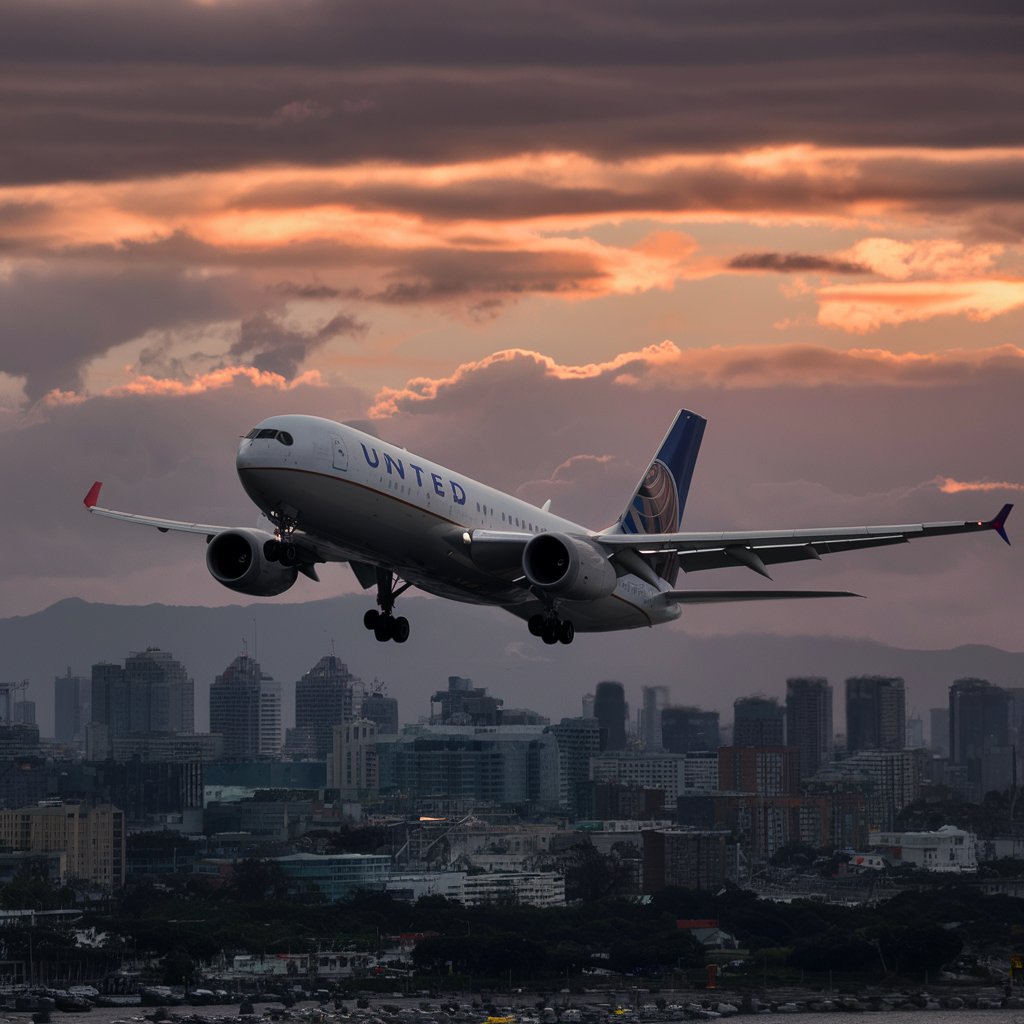
United Airlines Flight UA770 reportedly diverted from its scheduled route after the flight crew identified an issue requiring immediate operational attention.In modern commercial aviation, safety always takes priority over scheduling or operational convenience.
As the aircraft altered its route, flight-tracking websites quickly detected the unusual movement, causing online aviation communities and social media users to begin discussing the incident. Travelers following the flight online searched for updates regarding the cause of the diversion, while many passengers onboard reportedly experienced uncertainty during the unexpected change in travel plans.
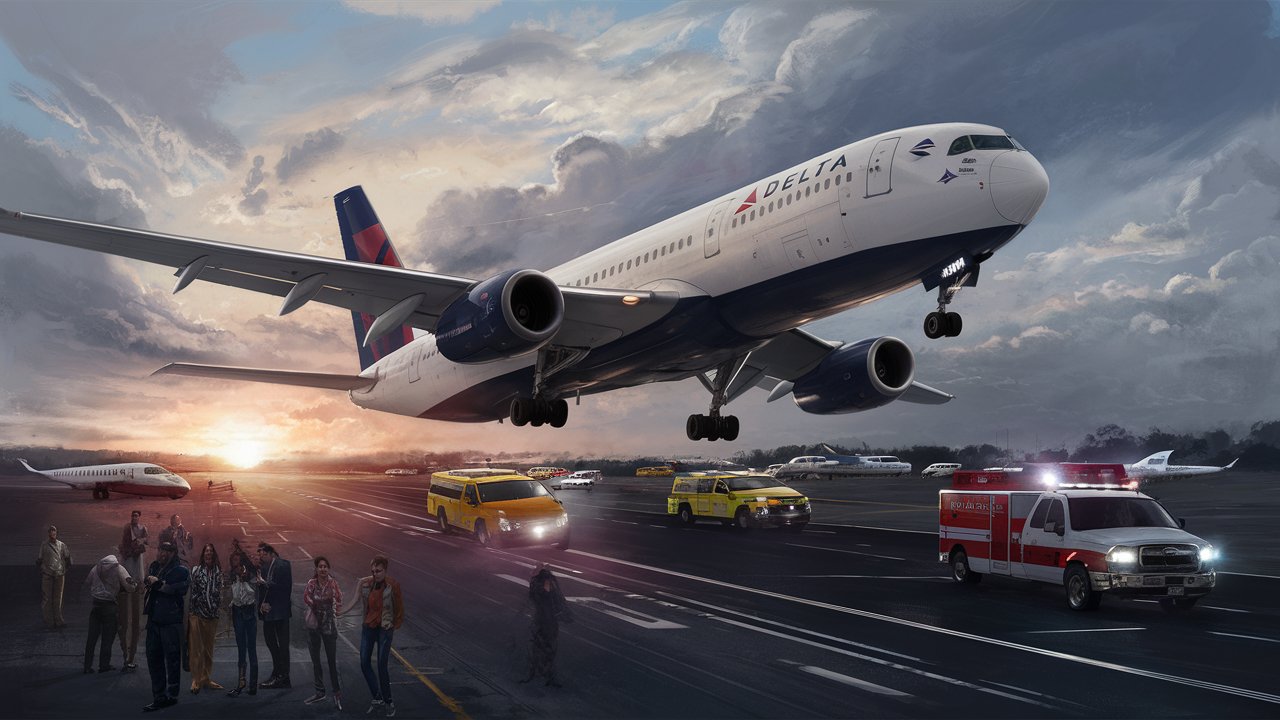
The aircraft later landed safely at the alternate airport selected for the diversion. Emergency response teams and airport personnel were reportedly available upon arrival as part of standard aviation safety procedures. The safe landing demonstrated how pilots, air traffic controllers, and airline operations centers work together to manage unexpected situations efficiently while protecting passengers and crew members.
Common Reasons for Emergency Flight Diversions
Many travelers assume flight diversions only occur during severe emergencies, but aviation experts explain that diversions happen regularly in commercial aviation for precautionary reasons. Airlines are encouraged to act conservatively whenever potential safety concerns arise, even if the issue later turns out to be minor.
Medical emergencies are among the most common causes of flight diversions. If a passenger or crew member requires urgent medical attention during a flight, pilots may decide to land at the nearest suitable airport so emergency medical teams can respond quickly. Technical or mechanical concerns also frequently result in diversions. Modern aircraft are equipped with advanced monitoring systems capable of identifying irregularities early, allowing pilots to respond before a situation becomes more serious.
Weather-related complications represent another major reason flights are diverted. Severe storms, turbulence, strong winds, lightning activity, or reduced visibility may force pilots to change routes or land at alternate airports. Security concerns, cabin pressure warnings, fuel management issues, or operational complications can also lead to emergency landings. Aviation professionals consistently emphasize that diversions are preventive safety measures designed to minimize risk rather than signs of catastrophe.
United Airlines and Modern Aviation Safety Procedures
United Airlines is one of the largest commercial airlines in the world and operates under strict international aviation regulations. Like other major carriers, United invests heavily in pilot training, aircraft maintenance, emergency response planning, and operational monitoring systems. These safety investments help airlines respond effectively whenever unusual situations occur during flight operations.
Commercial aircraft maintenance standards are among the strictest in the transportation industry. Airlines conduct regular inspections, technical evaluations, and system checks to ensure aircraft remain safe for passengers and crew members. Aviation authorities require airlines to follow detailed maintenance schedules designed to identify and address potential concerns before they develop into larger problems.
The successful handling of the United Airlines Flight UA770 emergency diversion demonstrates the importance of these safety systems. Aviation experts frequently point out that precautionary landings reflect responsible operational decision-making rather than airline failure.
Passenger Reactions and Social Media Discussions
Passengers onboard diverted flights often experience concern and uncertainty, especially when limited information is available during the early stages of an incident. In the case of United Airlines Flight UA770, many travelers reportedly turned to social media platforms to share updates and discuss the unexpected diversion.
Real-time flight-tracking technology has significantly changed how aviation incidents spread online. Today, anyone can monitor aircraft movements instantly, meaning unusual route changes quickly become visible to thousands of users worldwide. As soon as UA770 altered its course, aviation enthusiasts and online communities began speculating about possible reasons behind the diversion.
Some passengers reportedly praised the professionalism of the flight crew and the calm communication provided during the situation. Airline cabin crews receive extensive emergency training to help maintain order and reassure passengers whenever operational disruptions occur. Aviation experts often explain that professional communication from pilots and flight attendants plays a major role in reducing passenger anxiety during unexpected events.
Why Airlines Choose Alternate Airports During Emergencies
When a diversion becomes necessary, pilots and airline operation centers evaluate multiple factors before selecting an alternate airport. The decision involves considering runway length, weather conditions, emergency response capabilities, aircraft maintenance support, and passenger assistance resources.
Selecting the right diversion airport is critical because airlines must ensure passengers receive proper support while aircraft inspections or operational evaluations take place. Large airports also provide replacement crews, alternate flights, and passenger accommodations when required.
How Emergency Diversions Affect Travelers
information. Depending on the reason for the diversion, aircraft may require technical inspections before continuing operations, while some passengers may be transferred to another flight.
Despite the inconvenience, most travelers understand that safety must always come first in commercial aviation. Aviation experts consistently emphasize that precautionary landings are evidence of airlines prioritizing passenger protection rather than taking unnecessary operational risks.
Aviation Experts Explain Why Di
versions Matter Aviation analysts frequently describe emergency diversions as examples of modern airline safety systems functioning effectively. Pilots are trained to respond conservatively whenever uncertainty exists during a flight, and airlines strongly encourage proactive decision-making to reduce risk.
In earlier decades, airlines occasionally faced criticism for continuing flights despite technical concerns or operational warnings. Today’s aviation industry operates differently, with a strong focus on preventive action and rapid response. Diversions, inspections, and precautionary landings are now considered responsible safety measures rather than operational weaknesses.
The United Airlines Flight UA770 incident highlights how commercial aviation has evolved into a highly safety-focused industry built around preparedness, communication, and continuous improvement. From pilot training to airport emergency coordination, every part of the system is designed to protect passengers during unexpected situations.
Conclusion
The incident involving United Airlines Flight UA770 emergency diversion demonstrates the aviation industry’s ongoing commitment to passenger safety and operational caution. While unexpected flight diversions naturally attract public attention and concern, they are often precautionary actions designed to ensure the safest possible outcome for everyone onboard. Airlines, pilots, airport authorities, and emergency response teams work together closely whenever unusual situations arise during flight operations.
The safe landing of United Airlines Flight UA770 reflects the professionalism of airline crews and the effectiveness of modern aviation safety systems. Advanced aircraft monitoring technology, highly trained pilots, strict maintenance standards, and coordinated emergency response procedures all contribute to making commercial aviation one of the safest transportation systems in the world.
As social media and real-time flight tracking continue to increase public awareness of aviation incidents, stories involving emergency diversions will likely remain highly visible online.
FAQ About United Airlines Flight UA770 Emergency Diversion
Why was United Airlines Flight UA770 diverted?
The diversion may have occurred because of a medical emergency, technical issue, weather concern, or another operational safety precaution.
Did United Airlines Flight UA770 land safely?
Yes, reports indicate that the aircraft landed safely at the alternate airport chosen for the diversion.
Are emergency diversions common in aviation?
Yes, flight diversions happen regularly in commercial aviation and are often precautionary measures designed to ensure passenger safety.
Do emergency landings mean the aircraft is unsafe?
Not necessarily. Many emergency landings are precautionary actions taken to address potential concerns before they become serious.
Why do flight diversions become trending topics online?
Real-time flight-tracking platforms and social media allow users to monitor aircraft movements instantly, making unusual route changes highly visible.