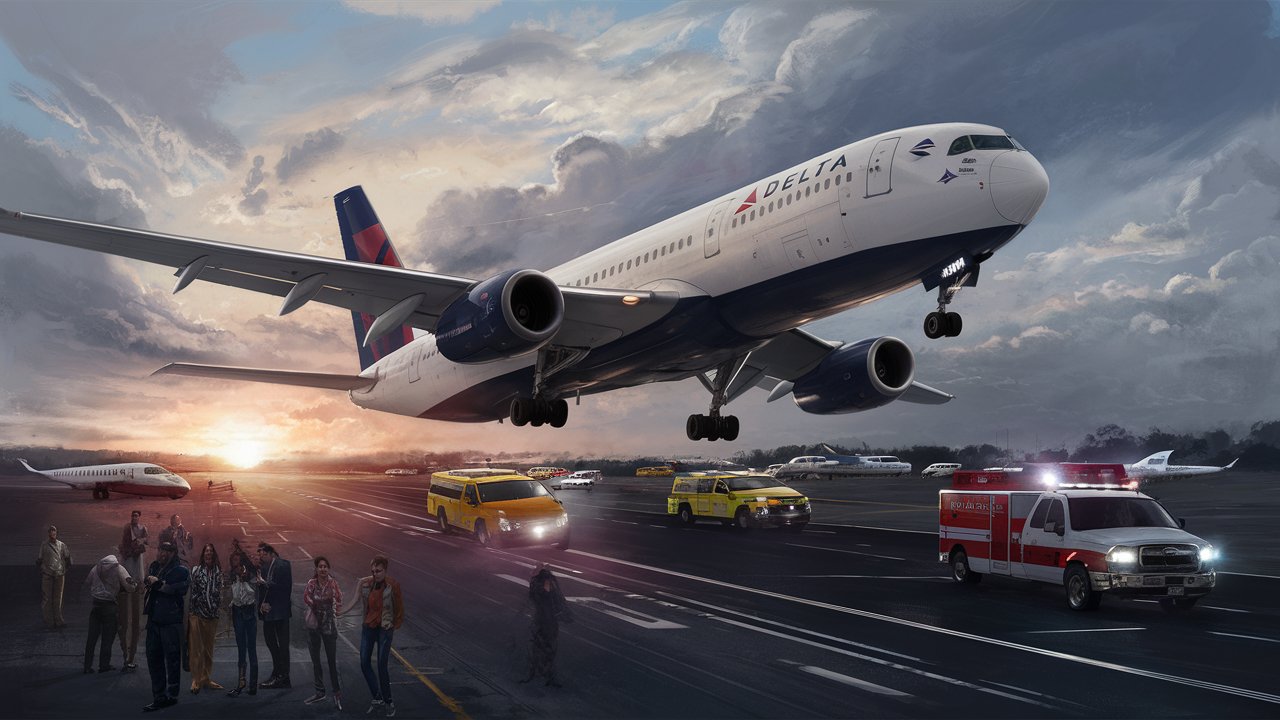
Commercial aviation is considered one of the safest forms of transportation in the modern world, yet unexpected incidents can still occur during routine flights. One recent event that gained widespread online attention involved Delta Flight DL275 diverted to LAX, causing travelers, aviation experts, and social media users to search for answers regarding the unexpected change in the aircraft’s route. Whenever a commercial airplane diverts from its scheduled destination, public curiosity increases rapidly because passengers naturally wonder whether the incident involved technical difficulties, safety threats, medical emergencies, or operational concerns. While the word “diversion” may sound alarming, aviation professionals often explain that precautionary landings are standard safety measures designed to protect everyone onboard.
The incident quickly became a trending aviation topic because modern flight tracking technology allows the public to monitor aircraft movement in real time. As the aircraft redirected toward Los Angeles International Airport, discussions spread across travel forums and social media platforms. Travelers wanted to know why Delta Flight DL275 diverted to LAX and whether passengers onboard experienced danger during the flight. Although airlines sometimes release limited details during the early stages of an operational event, aviation experts consistently emphasize that pilots are trained to respond conservatively whenever irregularities appear. The successful diversion of the flight to Los Angeles International Airport demonstrated how modern aviation systems prioritize passenger safety above schedule convenience or operational efficiency.
 Understanding Flight Diversions in Commercial Aviation
 Understanding Flight Diversions in Commercial Aviation
To fully understand the Delta Flight DL275 incident, it is important to know how flight diversions work within the aviation industry. A flight diversion occurs when an aircraft lands at an airport different from its originally planned destination. Diversions can happen for many reasons, including weather complications, onboard medical emergencies, engine irregularities, cabin pressure concerns, fuel management issues, or technical inspections. Contrary to common assumptions, diversions do not automatically indicate catastrophic danger. In many situations, they are simply precautionary decisions intended to reduce risk and ensure maximum safety for passengers and crew.
Commercial airlines operate under strict international safety regulations that encourage pilots to act immediately whenever abnormal conditions arise. Modern aircraft contain highly sophisticated monitoring systems that constantly evaluate engine performance, electrical systems, navigation equipment, and hydraulic operations. If any reading appears unusual, pilots receive immediate alerts that help them assess the situation. Even minor technical warnings may justify a diversion because aviation professionals prefer preventive action over unnecessary risk. In the case of Delta Flight DL275 diverted to LAX, the crew likely followed standard operational procedures designed to prioritize caution and passenger wellbeing.
Pilots undergo years of training to handle emergency situations calmly and professionally. Flight simulators repeatedly expose airline crews to diversion scenarios, equipment malfunctions, and emergency landings so they can react efficiently under pressure. Cabin crews also receive specialized safety training that helps them communicate with passengers, manage stress inside the aircraft, and ensure orderly procedures during unexpected incidents. These systems work together to make commercial aviation exceptionally safe even during unusual operational situations.
Why Delta Flight DL275 Was Diverted to LAX
Although official operational details may not have been fully disclosed immediately, reports indicated that the crew onboard Delta Flight DL275 identified a concern requiring precautionary handling. Rather than continuing the flight under uncertain conditions, the pilots chose to divert the aircraft to Los Angeles International Airport, one of the most advanced aviation facilities in the United States. Aviation experts frequently explain that this kind of decision reflects professionalism and safety awareness rather than panic or failure.
Large airports like Los Angeles International Airport are often selected for diversions because they provide extensive emergency support, advanced maintenance capabilities, medical response teams, and operational resources. When an aircraft experiences a possible technical issue, major airports allow airline maintenance crews to inspect the plane immediately after landing. Pilots and airline operations centers carefully evaluate multiple factors before selecting a diversion airport, including runway length, weather conditions, emergency support availability, and passenger assistance resources.
Passengers onboard Delta Flight DL275 likely experienced concern after hearing the announcement regarding the route change. However, aviation professionals consistently remind travelers that precautionary landings are evidence that safety systems are functioning correctly. Pilots are trained to make conservative decisions whenever uncertainty exists, and airlines support those decisions because passenger safety remains the highest priority in commercial aviation operations.
Passenger Reactions and In-Flight Experience
Unexpected flight diversions can create anxiety among passengers, especially when travelers receive limited information during the early stages of an incident. Onboard Delta Flight DL275, passengers may have initially felt uncertain about the seriousness of the situation after learning the aircraft would land at LAX instead of continuing to its planned destination. In situations like these, communication from pilots and flight attendants becomes extremely important because calm explanations help reduce fear and confusion.
Flight attendants are specifically trained to maintain order and reassurance during operational disruptions. Cabin crews follow established safety procedures while continuing to assist passengers throughout the flight. Many travelers who experience emergency diversions later praise airline crews for remaining calm and professional under stressful circumstances. The ability of pilots and flight attendants to communicate clearly often shapes passenger perceptions of the entire event.
After landing safely at Los Angeles International Airport, passengers likely received assistance regarding rebooking arrangements, updated itineraries, meal support, or accommodations if delays became extended. Airlines typically work quickly to minimize inconvenience following diversions because operational disruptions can affect connecting flights and travel schedules. Even though diversions may interrupt travel plans, most passengers ultimately appreciate the airline’s commitment to safety once they understand the reasons behind the decision.
Aviation Safety Measures Behind Emergency Diversions
One of the most important aspects of modern aviation is its emphasis on preventive safety measures. Airlines do not wait for small problems to become major emergencies before taking action. Instead, pilots, maintenance teams, and operational control centers work together to identify potential concerns early and resolve them safely. This proactive approach explains why commercial aviation maintains an extraordinarily strong safety record worldwide.
When Delta Flight DL275 diverted to LAX, the crew likely followed detailed emergency checklists designed for precautionary landings. These checklists help pilots manage complex situations systematically rather than relying on guesswork or emotional reactions. Air traffic controllers also play a major role by coordinating airspace, prioritizing landing clearance, and notifying emergency response teams on the ground.
Emergency vehicles are commonly positioned near runways during precautionary landings even when no visible fire or damage exists. This response is standard aviation procedure and should not automatically be interpreted as evidence of severe danger. Firefighters, medical personnel, and maintenance technicians remain prepared in case assistance becomes necessary immediately after landing.
Organizations such as the Federal Aviation Administration establish strict operational regulations that airlines must follow during diversions and emergency situations. Airlines like Delta Air Lines continuously train crews and inspect aircraft to ensure compliance with international safety standards.
The Role of Los Angeles International Airport in Flight Diversions
Los Angeles International Airport is one of the busiest and most strategically important airports in North America. Because of its advanced infrastructure and operational capacity, LAX frequently handles diverted flights requiring technical support or emergency assistance. The airport’s long runways, maintenance facilities, emergency response units, and airline hubs make it a preferred location for precautionary landings involving large commercial aircraft.
Major airports offer advantages that smaller regional airports cannot always provide. Travelers diverted to LAX benefit from access to replacement flights, hotel accommodations, transportation networks, customer service centers, and airline operational support. Airlines can also dispatch maintenance engineers quickly to inspect aircraft and determine whether repairs are necessary before returning the plane to service.
The Delta Flight DL275 diversion demonstrated why major international airports remain essential components of aviation emergency planning. Their ability to support aircraft operations, passenger logistics, and technical inspections makes them critical during unexpected aviation incidents.
Social Media and Public Attention
In today’s digital world, aviation incidents attract attention almost instantly because flight tracking applications allow users to monitor aircraft movement in real time. As soon as Delta Flight DL275 changed course toward Los Angeles, online discussions spread rapidly across social media platforms and aviation forums. Travelers, journalists, and aviation enthusiasts began analyzing flight data and sharing updates before official statements became widely available.
While social media increases public access to information, it can also contribute to speculation and misinformation. Aviation professionals encourage travelers to rely on verified airline announcements and official reports instead of unconfirmed online rumors. In many cases, initial speculation surrounding flight diversions exaggerates the seriousness of the event before complete operational details become available.
The strong public interest surrounding Delta Flight DL275 highlighted how deeply travelers care about airline safety and operational transparency. Passengers want reassurance that airlines prioritize their wellbeing, and incidents like this provide insight into the extensive systems designed to protect commercial flights.
Conclusion
The incident involving Delta Flight DL275 diverted to LAX serves as an important example of how modern aviation safety systems function during unexpected operational situations. Although diversions can create temporary inconvenience and anxiety for travelers, they are often precautionary actions intended to ensure passenger safety above all else. Pilots are trained to respond conservatively whenever irregularities appear, and airlines support those decisions because preventing risk remains the foundation of aviation safety.
The successful handling of the Delta Flight DL275 diversion demonstrated the professionalism of airline crews, air traffic controllers, airport emergency teams, and maintenance personnel who work together to manage complex situations efficiently. Rather than viewing flight diversions as signs of failure, travelers can recognize them as evidence that aviation safety procedures are operating exactly as intended. The aviation industry continues to evolve with advanced technology, rigorous training programs, and strict international regulations that help make commercial air travel one of the safest transportation systems in the world.
Frequently Asked Questions (FAQ)
What happened to Delta Flight DL275?
Delta Flight DL275 was diverted to Los Angeles International Airport after the crew identified a situation requiring precautionary operational handling.
Why was Delta Flight DL275 diverted to LAX?
The aircraft was diverted as a safety measure so the crew could address a possible operational or technical concern at a major airport with advanced support facilities.
Was Delta Flight DL275 an emergency landing?
The diversion involved precautionary emergency procedures, which are standard safety measures in commercial aviation.
Are flight diversions dangerous?
Most flight diversions are precautionary and are conducted safely without injuries or major complications.
Why do airlines choose large airports during diversions?
Major airports provide advanced emergency response services, maintenance facilities, passenger support, and operational resources.
Did passengers on Delta Flight DL275 remain safe?
Reports indicated that the aircraft landed safely at LAX and that passenger safety remained the top priority throughout the incident.
How common are flight diversions in aviation?
Diversions are relatively uncommon but occur regularly enough in global aviation operations as part of standard safety management procedures.