
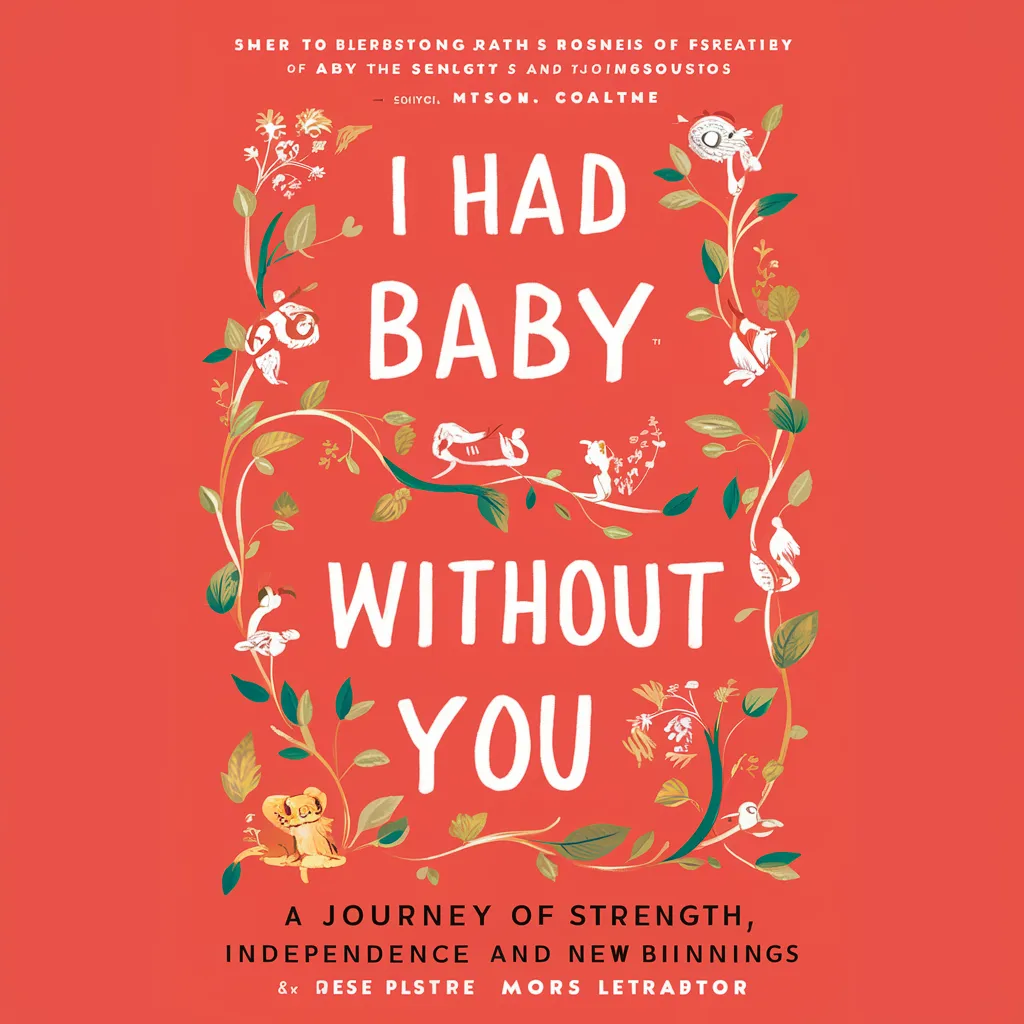
The phrase “I had a baby without you” carries deep emotional weight. It reflects a story of resilience, independence, and the courage to embrace motherhood alone. In today’s world, more people are choosing or finding themselves raising children without a partner—whether by choice, circumstance, or personal growth. This journey is not defined by loss but by empowerment, self-discovery, and unconditional love. The experience of having a baby without a partner challenges traditional ideas of family while proving that strength and nurturing can coexist beautifully in one person. This article explores the emotional, social, and practical aspects of raising a child alone, offering insight into the challenges and triumphs that come with saying, “I had a baby without you.”
The Emotional Journey of Having a Baby Without a Partner
Having a baby without a partner is a deeply emotional experience that blends joy, fear, and determination. For many, it begins with heartbreak or unexpected circumstances, but it often transforms into a journey of self-discovery. The initial stages can be overwhelming—navigating pregnancy appointments alone, facing societal judgment, and managing financial and emotional responsibilities. Yet, amid the uncertainty, there is a profound sense of empowerment that emerges.
The phrase “I had a baby without you” is not just a statement of independence; it is a declaration of survival. It represents the courage to move forward despite disappointment and the strength to create a nurturing environment for a child without relying on someone who chose not to stay. Over time, the pain of absence is replaced by pride in one’s ability to provide love, stability, and happiness.
Redefining Family and Independence
Modern society is gradually redefining what family means. The traditional image of two parents raising a child is no longer the only model of love and care. Single parents—especially single mothers—are proving that family is built on emotional connection, not structure. Choosing to have or raise a baby without a partner is an act of independence that challenges outdated norms.
For some, the decision is intentional—driven by the desire to become a parent without waiting for the “right” relationship. For others, it is a result of separation, loss, or abandonment. Regardless of the reason, the outcome is the same: a parent who steps into their role with courage and unconditional love. This independence fosters resilience, teaching both parent and child that strength can come from within, not from external validation.
Overcoming Challenges as a Single Parent
Raising a child alone comes with undeniable challenges. Financial strain, emotional exhaustion, and lack of support can make the journey difficult. Many single parents juggle multiple roles—provider, nurturer, teacher, and protector—often without rest. The absence of a partner can amplify feelings of loneliness, especially during milestones like the baby’s first steps or birthdays.
However, these challenges also cultivate remarkable strength. Single parents learn to manage time efficiently, make independent decisions, and build strong support networks. Communities, friends, and family often step in to fill emotional gaps, proving that love and care can come from many sources. The key to thriving as a single parent lies in self-compassion, planning, and recognizing that asking for help is not a sign of weakness but of wisdom.
Finding Empowerment and Healing
The journey from heartbreak to empowerment is one of the most transformative aspects of having a baby without a partner. Initially, the absence of the other parent may feel like a void, but over time, it becomes a space filled with self-love and purpose. Many single parents discover strengths they never knew they had—resilience, patience, and the ability to create joy from adversity.
Healing comes from focusing on the child’s well-being and personal growth. Instead of dwelling on what was lost, the focus shifts to what has been gained: independence, clarity, and a deeper understanding of unconditional love. The phrase “I had a baby without you” evolves from a statement of pain into one of triumph—a reminder that life can flourish even after disappointment.
The Joy of Raising a Child Alone
Despite the challenges, raising a child alone can be incredibly fulfilling. Every milestone becomes a shared victory, every smile a reminder of perseverance. The bond between a single parent and their child is often uniquely strong, built on mutual trust and shared experiences. The child grows up witnessing resilience, learning that love and stability do not depend on the presence of two parents but on the quality of care and emotional connection.
Single parents often find joy in creating their own traditions, routines, and values. They become role models of strength and independence, showing their children that family is defined by love, not circumstance. The journey may not be easy, but it is deeply rewarding—a testament to the power of unconditional love and human endurance.
Conclusion
“I had a baby without you” is more than a phrase—it is a story of courage, transformation, and hope. It represents the strength to move forward, the ability to love deeply, and the resilience to build a life from the ground up. Raising a child alone is not a sign of failure but of extraordinary strength. It challenges societal expectations and redefines what it means to be a family. For every parent who has walked this path, the journey is proof that love, determination, and faith can overcome any obstacle.
FAQs
1. What does “I had a baby without you” mean?
It refers to the experience of having or raising a child without the involvement of the other parent, often symbolizing independence, resilience, and emotional strength.
2. Is it possible to raise a child successfully as a single parent?
Yes. Many single parents raise happy, healthy, and well-adjusted children by providing love, stability, and consistent care.
3. How can single parents cope with loneliness?
Building a support network of friends, family, and community groups can help. Engaging in self-care and connecting with other single parents also provides emotional support.
4. What are the biggest challenges of raising a baby alone?
Common challenges include financial pressure, emotional exhaustion, and lack of time for self-care. However, these can be managed with planning, support, and self-compassion.
5. How can single parents find empowerment after heartbreak?
Focusing on personal growth, setting goals, and celebrating small victories can help rebuild confidence and create a sense of empowerment.
6. What message does “I had a baby without you” send?
It sends a message of strength, independence, and the ability to thrive despite adversity. It’s a declaration of self-worth and the power of unconditional love.
7. Can single parenting be a positive experience?
Absolutely. While challenging, single parenting can be deeply rewarding, offering opportunities for personal growth, strong parent-child bonds, and emotional fulfillment.